
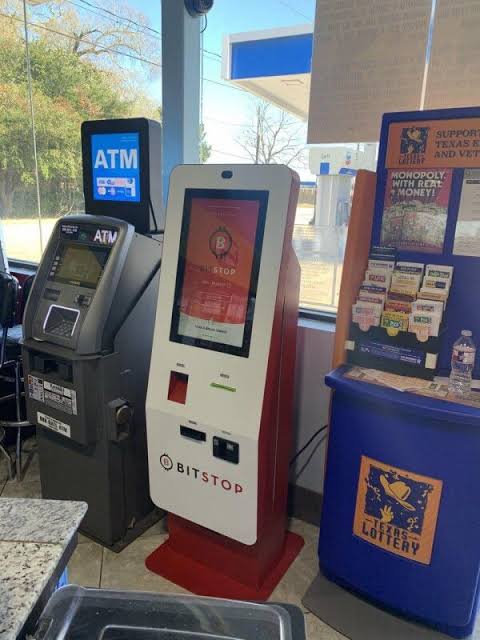
The physical gateway to the decentralized economy is facing an unprecedented regulatory intervention. For compliance officers, blockchain forensic analysts, and asset recovery specialists, the shifting statutory landscape surrounding cryptocurrency kiosks frequently designated as Bitcoin ATMs (BTMs) demands a rigorous operational reassessment.
Historically, these terminals functioned in a highly fragmented regulatory environment. However, a surging volume of sophisticated financial crimes, senior exploitation schemes, and illicit capital flight has triggered coordinated legislative retaliation across the United States.
The operational implications are severe, redrawing the boundaries of digital asset tracing and corporate compliance.
The Jurisprudential Shift: Moving from Oversight to Total Prohibition
For years, state-level oversight relied on traditional money transmission licensing (MTL) frameworks. This paradigm has collapsed. Regulatory authorities have determined that standard compliance check returns and post-transaction reporting are insufficient mechanisms to mitigate the velocity of kiosk-facilitated fraud.
Indiana fundamentally altered the domestic enforcement model by enacting House Enrolled Act 1116. This statute establishes an absolute, statewide prohibition on the operation of virtual currency kiosks. Signed into law under an emergency declaration, the measure classifies the operation of a BTM as a deceptive consumer sale, empowering the State Attorney General to pursue aggressive civil penalties against both the kiosk operators and the commercial property owners who host the physical terminals.
[State-Level Legislative Trajectory]
Traditional Money Transmitter Licensing (MTL)
       │
       ▼
Enhanced Statutory Guardrails (Daily caps, identity verification)
       │
       ▼
Absolute Statutory Prohibition (The Indiana Precedent)
The Indiana precedent is not an isolated legislative anomaly. Bipartisan momentum, heavily reinforced by consumer advocacy organizations like the AARP, has altered the legislative docket in nearly 30 states. State legislatures, including those in Tennessee, are aggressively advancing parallel prohibitions.
The primary catalyst for this shift is empirical. Federal investigative data indicates that adults aged 60 and older sustain greater than 85 percent of the total financial losses associated with kiosk-based fraud vectors, transforming BTMs into primary targets for state-level consumer protection enforcement.
Corporate Liquidation and Market Destabilization: The Collapse of Market Leaders
The velocity of these legislative interventions has fundamentally broken the financial viability of high-density kiosk networks. The most distinct empirical validation of this systemic risk occurred when Bitcoin Depot Inc., alongside 16 corporate affiliates, formally filed voluntary petitions for relief under Chapter 11 of the U.S. Bankruptcy Code in the U.S. Bankruptcy Court for the Southern District of Texas.
[Systemic Impact of Tightening Compliance Engine]
Aggressive State Regulations & Fee Caps
       │
       ▼
Drastic Margin Compression
       │
       ▼
Inability to Maintain On-Chain AML/KYC Overheads
       │
       ▼
Voluntary Chapter 11 Liquidation (e.g., Bitcoin Depot)
As the largest operator of virtual currency kiosks in North America, Bitcoin Depot’s abrupt transition from a publicly traded Nasdaq entity to a full corporate liquidation underscores the severe impact of structural regulatory headwinds.
The corporate entity pulled its entire active fleet of approximately 9,700 physical kiosks completely offline. In its financial disclosures and subsequent Chapter 11 filings, executive leadership explicitly cited mounting legal judgments, state-level fee restrictions, and the unsustainable overhead required to maintain compliance with tightening anti-money laundering (AML) mandates as the primary drivers of the insolvency.
This liquidation disrupts retail liquidity and alters the routing of illicit fund flows, forcing forensic investigators to pivot their tracing methodologies.
Operational Guardrails for Surviving Infrastructure
For enterprise platforms and regional operators navigating jurisdictions where physical terminals remain legally permissible, survival dictates the immediate integration of a modern compliance engine. Over 30 states have enacted strict operational guardrails that shift the burden of fraud prevention entirely onto the platform’s backend architecture.
To mitigate corporate liability and ensure regulatory alignment, operators must implement the following architectural mandates:
-
Dynamic Transaction Caps: Rigid daily limits must be hardcoded into the core transaction processing software. Statutory trends now routinely enforce maximum thresholds of $1,000 to $2,000 per unique user within a 24-hour window, overriding legacy volume configurations.
-
Decoupled Identity Verification: Compliance protocols must transition away from simple SMS-based verification. Platforms must integrate advanced optical character recognition (OCR) systems capable of verifying government-issued identification cards against live, biometric facial geometry scans prior to any fiat-to-crypto dispatch.
-
Automated Blockchain Analytics Integration: Kiosk operating systems must deploy automated application programming interfaces (APIs) connected to real-time blockchain intelligence platforms. Every destination wallet address must undergo an instantaneous risk-scoring protocol to actively block transfers routed toward high-risk mixers, sanctioned addresses, or known fraud clusters.
Navigating the wreckage of a kiosk network collapse or uncovering assets hidden through structured retail laundering requires immediate technical intervention. Passive waiting guarantees the permanent cold-storage dispersal of your tranches. For compliance officers managing institutional exposure or operators processing sudden platform disruptions, safeguarding recovery options relies entirely on the speed of your initial chain audit.
Review the official legislative text of House Enrolled Act 1116 to cross-reference your jurisdiction’s direct statutory exposure liabilities. If your organization needs to deploy advanced blockchain tracing methodologies, verify historical wallet data, or prepare formal evidentiary packets for federal enforcement review, route your technical case profiles to our specialized asset recovery protocols team today for a secure case evaluation.
Leave a Reply