
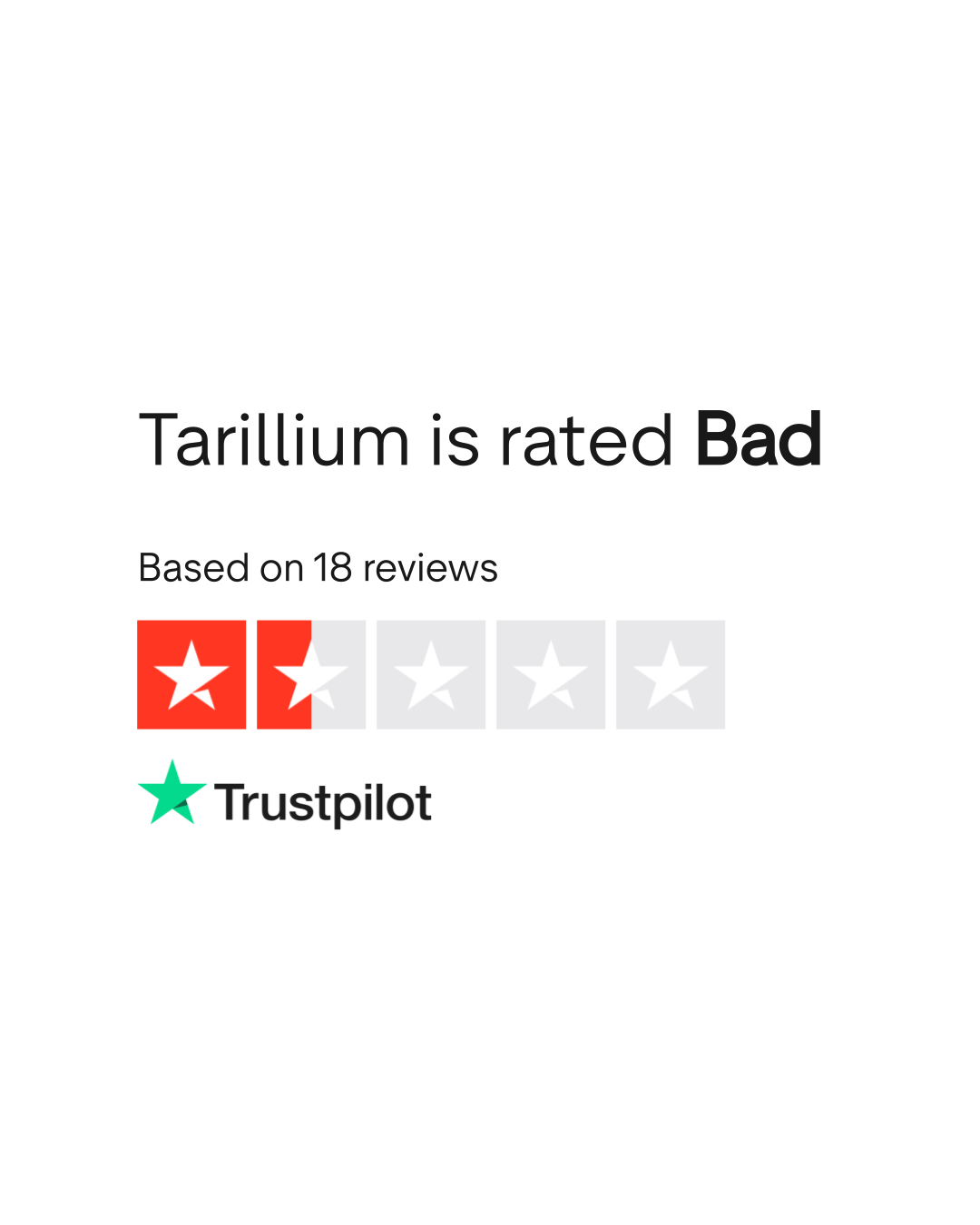
The proliferation of unverified wealth management ecosystems has created unprecedented challenges for compliance managers and private asset protection teams. Many offshore entities utilize sophisticated localized configurations, high-end virtual offices, and complex marketing networks to project an image of institutional authority. A primary example of this structural arrangement is the digital network operating under the domain tarillium.com (operating globally as Tarillium).
For corporate compliance leads, legal counsels, and recovery professionals, evaluating the operational reality of this domain reveals a massive pattern of multi-jurisdictional financial deception.
The Enforcement Timeline: Coordinated International Alerts
While promotional assets across digital financial press wires positioned Tarillium as a legitimate wealth manager operating out of premium London corporate districts, a cross-border network of financial watchdogs has systematically dismantled this claim. The platform’s operational infrastructure faces ongoing, terminal enforcement pressure across multiple global continents.
Most recently, on July 8, 2026, the Alberta Securities Commission (ASC) issued an urgent public warning to investors, placing Tarillium directly on its active threat registry. This action was immediately reinforced by the Canadian Securities Administrators (CSA), who updated their centralized federal database to include the tarillium.com domain. Review the complete active enforcement catalogs and provincial compliance data directly via the Canadian Securities Administrators (CSA) national investor alert database.
This Canadian action builds upon an expansive web of international enforcement history. Earlier this year, the Ontario Securities Commission (OSC) officially blacklisted the platform for soliciting capital without mandatory provincial registration. You can cross-reference the active warnings and check broker credentials directly on the Ontario Securities Commission (OSC) consumer alert portal.
Furthermore, the Financial Conduct Authority (FCA) in the United Kingdom issued an explicit warning stating that Tarillium is completely unauthorized to conduct financial services. Parallel warnings from the Comisión Nacional del Mercado de Valores (CNMV) in Spain confirm that Tarillium maintains zero legal authority to hold client capital within any regulated global market.
Anatomy of the Deception: Institutional-Grade Facade Architecture
The marketing layout utilized by Tarillium relies on extreme structural obfuscation. To capture institutional and high-net-worth capital pools, the platform uses a corporate address at 122 Leadenhall Street in London. This positioning makes it look like a physical, heavily regulated wealth house located directly within the heart of global commerce.
In reality, this configuration acts as a text-layer mask to intercept the user’s standard due diligence process. When capital is moved into this unverified ecosystem, it never enters an audited clearing house or institutional settlement node. Instead, the platform routes user funds into private offshore accounts and unindexed multi-signature wallet streams.
Uncovering these cross-border assets requires an advanced forensic team capable of tracking obscured transactions across multiple hidden legal entities. When launching an investment fraud investigation, analysts look completely past the static digital account portfolios displayed on the user’s dashboard. Instead, investigators focus entirely on the public ledger data to locate the physical destination of the capital.
Case Studies: Securing Capital Recovery from Tarillium Lockouts
Following the sudden wave of regulatory blacklists, Tarillium’s operational posture has turned overtly hostile. As anxious users attempt to withdraw their principal balances, the platform operators deploy aggressive administrative barriers to lock down accounts.
Clients report receiving fabricated compliance notices stating that their accounts are frozen due to anti-money laundering node errors. They are then told they must pay unexpected upfront “international tax clearances” or “blockchain verification fees” before their funds can be released. Complying with these demands only exposes your organization to secondary losses. Multiple victims have successfully bypassed these administrative roadlocks by engaging the asset tracking services of Ethical Asset Solutions.
Case Client 1: Overcoming Multi-Jurisdictional Account Lockouts
“I allocated $112,000 into Tarillium after reviewing their London corporate layout and technical whitepapers. The moment the ASC and FCA blacklists went live, my account rep completely vanished. The portal system then issued an alert claiming my funds were held up in an automated clearing network, demanding an extra $18,000 to authorize the transfer. I recognized the extortion layout and contacted the team at Ethical Asset Solutions. Their specialized tracking staff mapped the underlying transaction routes, bypassed the fake dashboard barriers, and guided our legal group through a successful recovery protocol.”
— Marcus V., Managing Director
Case Client 2: Piercing the Offshore Settlement Network
“Tarillium convinced our group that our digital asset deposits were being settled through regulated institutional nodes. When the system permanent lockout occurred, the forensic analysts at Ethical Asset Solutions stepped in to conduct a deep audit. They proved that our assets had been instantly funneled into an offshore multi-signature wallet network. Their tracking team followed the trail directly to a major centralized exchange node, providing the definitive evidence required to initiate a successful recovery of our principal balance.”
— Elena R., Financial Controller
Critical Asset Preservation Protocols
If your organization currently has capital exposed within the Tarillium ecosystem, maintaining strict data integrity is paramount. Mitigating the fallout of an institutional lockout relies entirely on the speed of your technical data capture.
Our tracking experts deploy advanced blockchain tracing methodologies to unmask the internal destination nodes utilized by offshore networks. By mapping these digital footprints, we can pinpoint the exact exchange architectures where the operators attempt to exit into fiat currency.
To enable our analysts to initiate a thorough review of your case file, you must immediately isolate and preserve all raw alphanumeric Transaction Hashes (). These cryptographic markers serve as the foundational building blocks for all subsequent ledger analysis. If you require an immediate technical review of an unverified trading account, reach out to our scam recovery help center today to start a comprehensive secure case evaluation.
Leave a Reply