
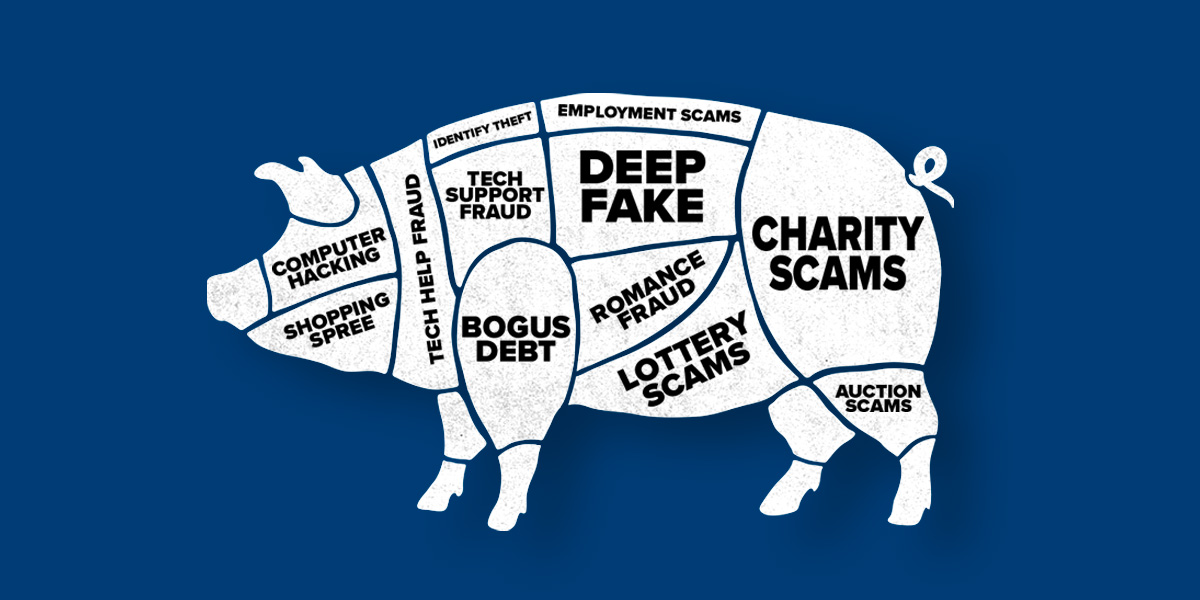
The digital fraud landscape has reached an industrial scale in 2026. Specifically, a Pig Butchering Scam in 2026 known technically as romance-based investment fraud has evolved into a highly sophisticated operation. These scams no longer rely on simple scripts. Instead, they use artificial intelligence and advanced “mirror” dashboards to deceive even the most cautious investors. At Ethical Asset Solutions, we have observed a significant shift in how these criminal networks operate. Understanding these new tactics is the first step in protecting your digital assets.
1. AI-Enhanced Emotional Grooming in a Pig Butchering Scam (2026)
In the past, scammers manually managed dozens of conversations at once. However, in 2026, criminal syndicates now use Agentic AI to automate the grooming process. These AI agents can maintain thousands of deep, personalized relationships simultaneously.
Scammers often find targets through dating apps or professional networks like LinkedIn. The AI uses “Social Scraping” to identify vulnerable individuals. It then crafts a perfect persona that mirrors the target’s interests and values. Furthermore, these AI tools can now generate deepfake voice notes and live video calls. According to recent 2026 reports, these synthetic realities make the “friend” or “romantic partner” feel incredibly real. Consequently, the emotional bond becomes the primary tool for financial manipulation in a modern Pig Butchering Scam in 2026.
2. The “Mirror Dashboard” Illusion
Once trust is established, the scammer introduces an “exclusive” crypto trading platform. These sites are not legitimate exchanges. Instead, they are Mirror Dashboards. These platforms look and function like a real trading interface. They may even be available on major app stores to bypass initial skepticism.
The victim sees their account balance grow rapidly due to “expert signals” provided by the scammer. However, these profits are entirely artificial. The dashboard is simply a visual interface controlled by the scammer. When you deposit crypto, the funds do not go into a trading account. Instead, they move directly into the scammer’s private wallet. This was a key finding in our MNCTN Global forensic review, where Ethical Asset Solutions investigators proved that victims were shown millions in fake profits that never existed on-chain.
3. The “Tax and Compliance” Trap in Pig Butchering Scams
The final and most devastating stage of the scam occurs when the victim tries to withdraw their funds. The platform will suddenly block the transaction. The victim then receives an official looking notification from “Support” or a “Compliance Officer.”
This notification usually claims that the victim must pay a 20% to 30% “Verification Tax” or a “Security Deposit” before the funds can be released. The scammers often cite international regulations or IRS mandates to justify these fees. In 2026, they frequently misuse terms from the EU’s MiCA regulation to sound official. Unfortunately, this is a “double spend” trap. No legitimate exchange will ever ask you to pay a tax upfront to withdraw your own money. If you pay the tax, the scammers will simply invent a new fee such as a “VIP upgrade” or “Anti Money Laundering (AML) clearance” until your liquidity is entirely drained.
4. How Ethical Asset Solutions Exposes the Scam
A professional forensic audit can quickly expose these “closed-loop” systems. By using the tools mentioned in our Investigator’s Toolkit: Advanced Blockchain Forensics, the team at Ethical Asset Solutions can verify if any actual trading is happening on-chain.
In a legitimate exchange, your deposits should be traceable to a specific liquidity pool or an exchange-controlled cold wallet. In a Pig Butchering Scam in 2026, our Heuristic Clustering tools usually show that the “deposit” address is actually part of a massive laundering network. We often see funds being moved through “Chain Hopping” bridges within minutes of the victim’s deposit. Identifying these patterns early is critical for law enforcement referrals and potential asset recovery.
5. Regulatory Frameworks and the 2026 Pig Butchering Scam
As of May 2026, the global regulatory environment has tightened significantly. The FATF Travel Rule (Recommendation 16) now mandates that all Virtual Asset Service Providers (VASPs) verify originator and beneficiary information for every transaction. This ensures that the identity of both the sender and recipient “travels” with the transaction data.
Furthermore, the final implementation phase of the EU’s MiCA regulation concludes on July 1, 2026. This marks a critical deadline where unauthorized platforms must cease operations or face legal enforcement. Scammers often use this regulatory shift to their advantage. They may tell victims that their funds are “frozen due to MiCA compliance” and require a fee to be “whitelisted.” Understanding the true nature of these regulations is vital. Legitimate compliance involves identity verification (KYC) and wind down plans, not the payment of arbitrary fees to a third-party wallet.
Defensive Blueprint for a Pig Butchering Scam in 2026
To stay safe in this new era of AI-driven fraud, you must follow a strict defensive protocol. Never move funds to an investment platform recommended by someone you have only met online. Furthermore, always verify an exchange’s registration through official regulatory portals. If a platform demands a “tax” for a withdrawal, stop all communication immediately.
Transparency and technical verification are your best defenses. By understanding the forensic reality of a Pig Butchering Scam in 2026, you can prevent yourself from becoming the next “pig” in a criminal’s slaughterhouse.
Leave a Reply